
Discover through this article the usefulness of dental stellite and why it is increasingly popular among seniors.
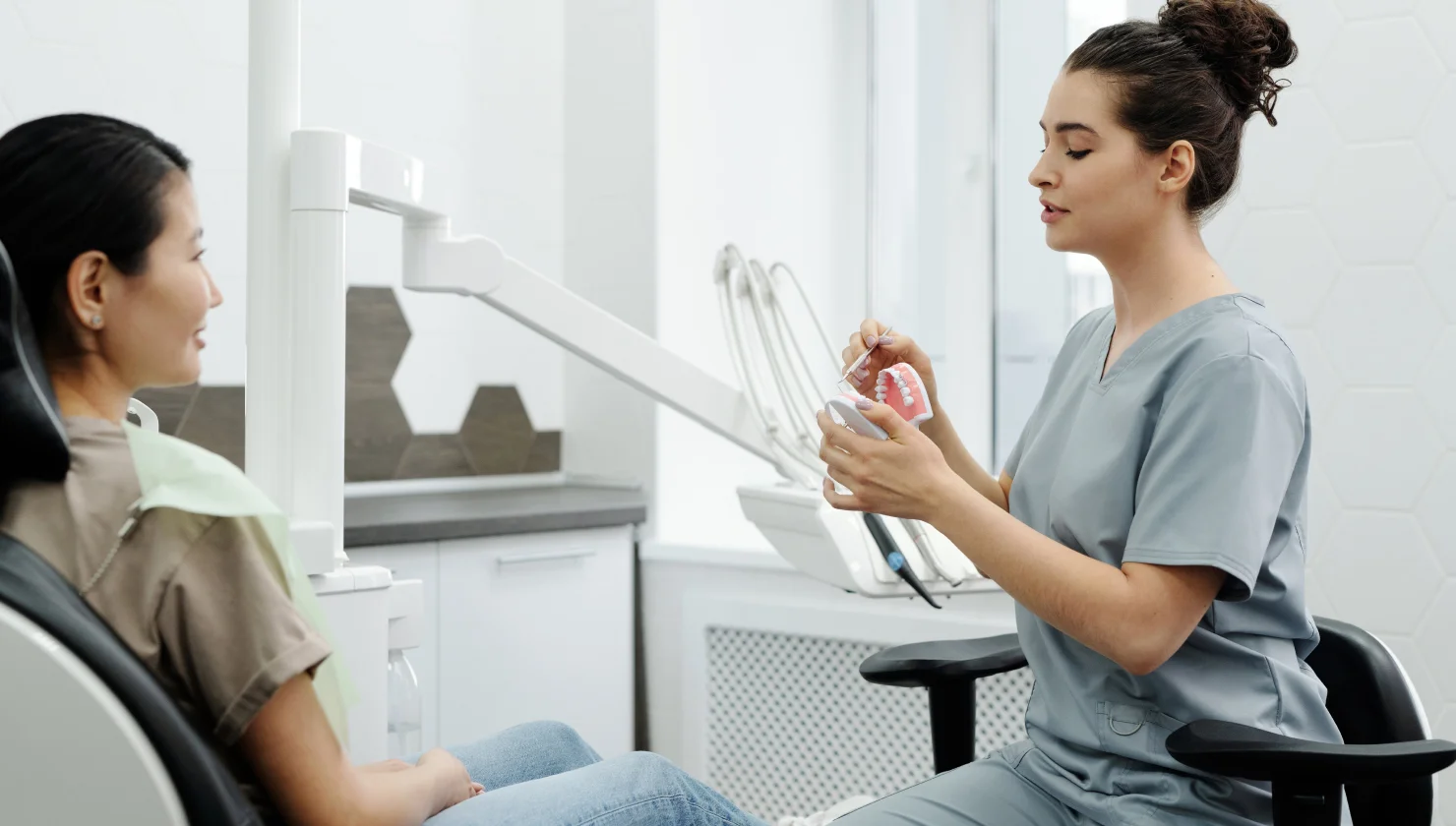
The image of the "grandma's dentures" dipping in a glass of water is a thing of the past. Today, active seniors refuse to choose between comfort and aesthetics. They want to seize life (and apples) to the fullest.
This is where the Dental Stellite. Thinner, lighter and above all more stable than classic resin appliances, it is establishing itself as the benchmark for replacing several missing teeth without resorting to the major surgery of implants.
🦷 Are you a candidate for Stellite?
A partial denture requires strong "abutment" teeth to hold. Not all mouths can accommodate it. 👉
What exactly is a dental stellite?
Unlike the "all-pink" resin appliance that massively covers the palate and gums, the stellite is a prosthesis with metal frame.
It is an ultra-thin alloy structure (cobalt-chromium or titanium), custom-made in the laboratory.
The major difference: The finesse. Metal is much more resistant than resin, which makes it possible to create a very thin plate that is unnoticeable in the mouth.
The feeling: Metal conducts heat and cold. You can feel the temperature of your coffee or ice cream, unlike resin which acts as an insulator (the "plastic" effect).
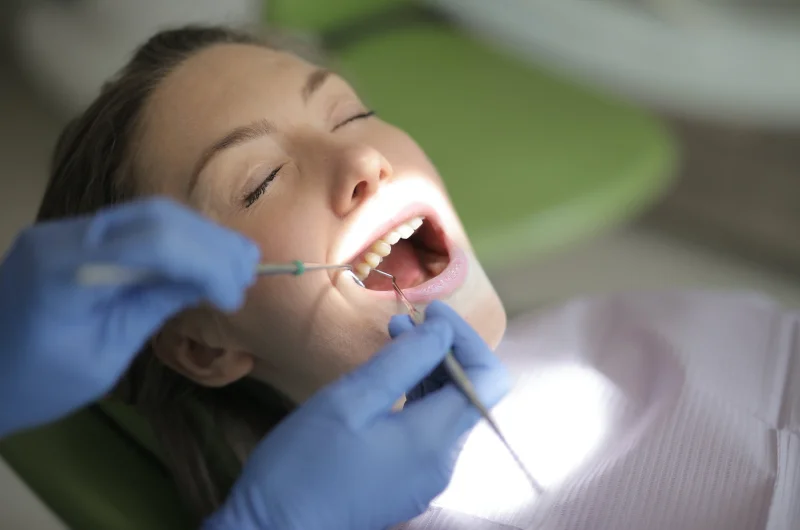
Why do active seniors love it?
For a socially active person, the worst fear is the device moving while talking or eating. The stellite eliminates this stress thanks to its mechanical retention.
Unwavering stability: It doesn't stay in place by "suction" (suction cup) but thanks to custom-made hooks that clip onto your remaining teeth. It is immobile.
Respect for taste: On the upper jaw, the partial denture is often very deeply cut. It leaves a large part of the palate free, allowing you to regain the taste of food and avoid the gag reflex.
Hygiene and Health: It puts less pressure on the gums (it rests on the teeth). As a result, the jawbone resorbs less quickly than with a traditional denture that constantly compresses the gums.
The essential condition: Your remaining teeth
This is the critical point that many people overlook. The stellite is a "smart" prosthesis that uses your natural teeth as an anchor. This means that your remaining teeth must be in perfect periodontal health (solid roots).
If you place a partial denture on fragile or loose teeth, the appliance will act as a lever and will eventually pull out your remaining healthy teeth. This is why a prior X-ray examination is essential.
Are your abutment teeth strong enough?
Do not start manufacturing a stellite without having checked the strength of your anchors.
Partial or Implants: The Match
A partial denture is often the "luxury intermediate" step before implantology.
The Implant: This is an artificial root. It's fixed, it's like a real tooth, but the budget and treatment time are greater.
The Stellite: It is removable (you have to take it off to clean it), but it is much less expensive and very quick to make.
For many patients, the stellite is the ideal compromise: a reliable, durable solution (10 years and more) that restores the smile immediately without surgery.
Conclusion: Don't let a hole in your smile ruin your retirement
A partial denture is a technical marvel that allows for the elegant and functional replacement of 1, 3, or 10 teeth. It ensures you can confidently accept a restaurant invitation without hesitation.
But be warned: its success depends entirely on the design and condition of your supporting teeth.
Are you hesitating between a resin appliance, a partial denture, or implants? Our intelligent diagnostic analyzes your situation (number of missing teeth, budget, general condition) to guide you towards the most sustainable solution.
🦷 Resin appliance, Stellite or Implants?
Can your jaw support a fixed solution or should you opt for a removable one? Each case is unique (bone volume, gums).

 French
  English