
Discover in this article how to stop gum recession before it's too late
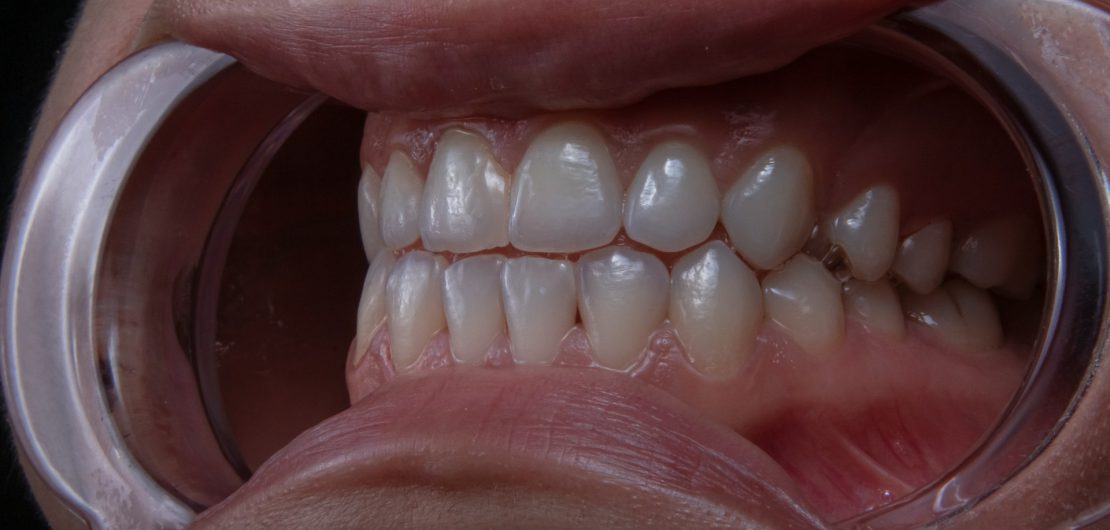
"That's normal, my gums bleed a little when I brush my teeth." No. That's not Never That's normal. Imagine if your hands bled every time you washed them: you'd run to the emergency room.
Bleeding is your body's first warning sign. It signals inflammation (gingivitis) which, if left untreated, silently progresses to periodontal disease (periodontitis). The end result? The bone melts, the tooth becomes loose, and it falls out.
🩸 Are your gums in danger?
Have you noticed blood in the sink or a tooth that seems longer? Don't wait for it to become loose.
The difference between Gingivitis and Periodontitis
This is the most common misconception.
Gingivitis: It's an inflammation of the gum alone. It's red, swollen, and bleeding, but the bone underneath is intact. It's reversible with proper descaling and strict hygiene.
Periodontitis (Gum Loss): The inflammation has spread to the bone and the ligament that holds the tooth. "Pockets" form between the tooth and the gum, where bacteria accumulate. The bone is destroyed. This is irreversible (the lost bone does not grow back), but one can stabilize the disease to keep your teeth.
The signs that don't lie
Periodontitis is a sneaky disease because it is often painless until the final stage (abscess). Be vigilant if:
Your gums bleed spontaneously or when brushing.
You have bad breath (halitosis) despite brushing.
Your teeth seem to be moving apart or changing position.
You have the impression that your teeth are "longer" (the gums are rising).
⚠️ Are your gums bleeding?
Bleeding is never normal, even with a natural method. It's a sign of inflammation that the miswak doesn't treat.
Modern treatments: No more "barbaric surgery""
Forget the stories of painfully cut and stitched gums. Modern periodontics is much less invasive.
Root planing (deep scaling): Under local anesthesia, we will clean below The gum is cleaned to remove tartar and bacteria stuck to the root. This allows the gum to reattach healthily to the tooth.
The Diode Laser: We use light energy to sterilize periodontal pockets. The laser kills pathogenic bacteria instantly and stimulates painless post-operative healing.
Lithotripsy: Specific ultrasounds that disintegrate tartar without damaging the root.
Post-treatment: Maintenance is key
Treating periodontitis is like treating diabetes: you don't get a permanent cure, you stabilize it. Once the disease is under control, you'll need to adopt a champion's routine:
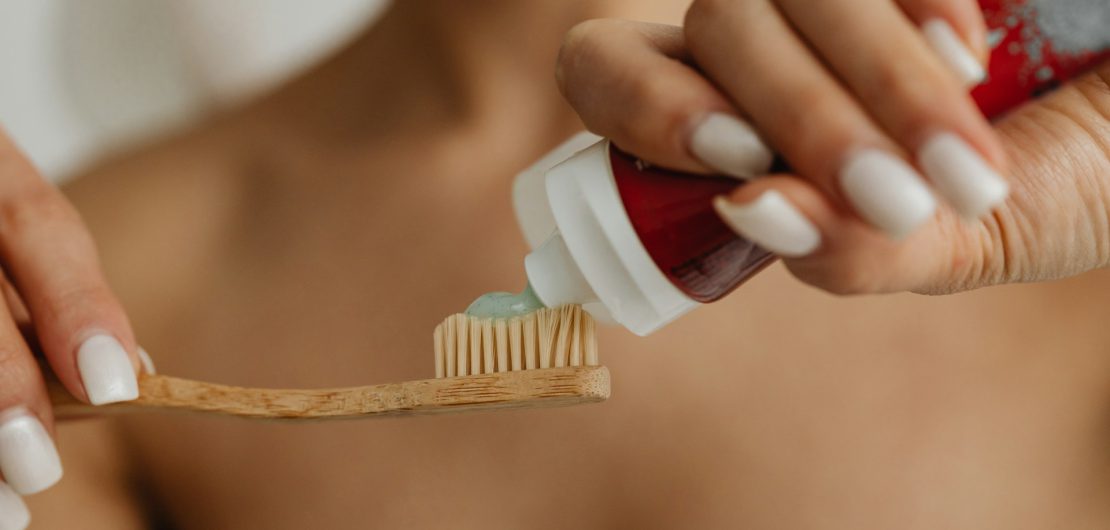
Passage of interdental brushes every night (where the brush cannot reach).
Maintenance in the office every 3, 4 or 6 months depending on your risk, to check that no pocket is reinfected.
Conclusion: Your natural teeth are precious
No implant, however sophisticated, will ever replace the feel and appearance of your natural tooth. Periodontal treatment is the best investment you can make for your overall health (because bacteria from the mouth can also migrate to the heart or lungs).
Are you concerned about the health of your gums? Our periodontal diagnosis analyzes your symptoms (bleeding, mobility, heredity) to tell you if you need to consult urgently or simply improve your brushing.

 French
  English