
A chipped tooth can be the root of many other problems if left alone.

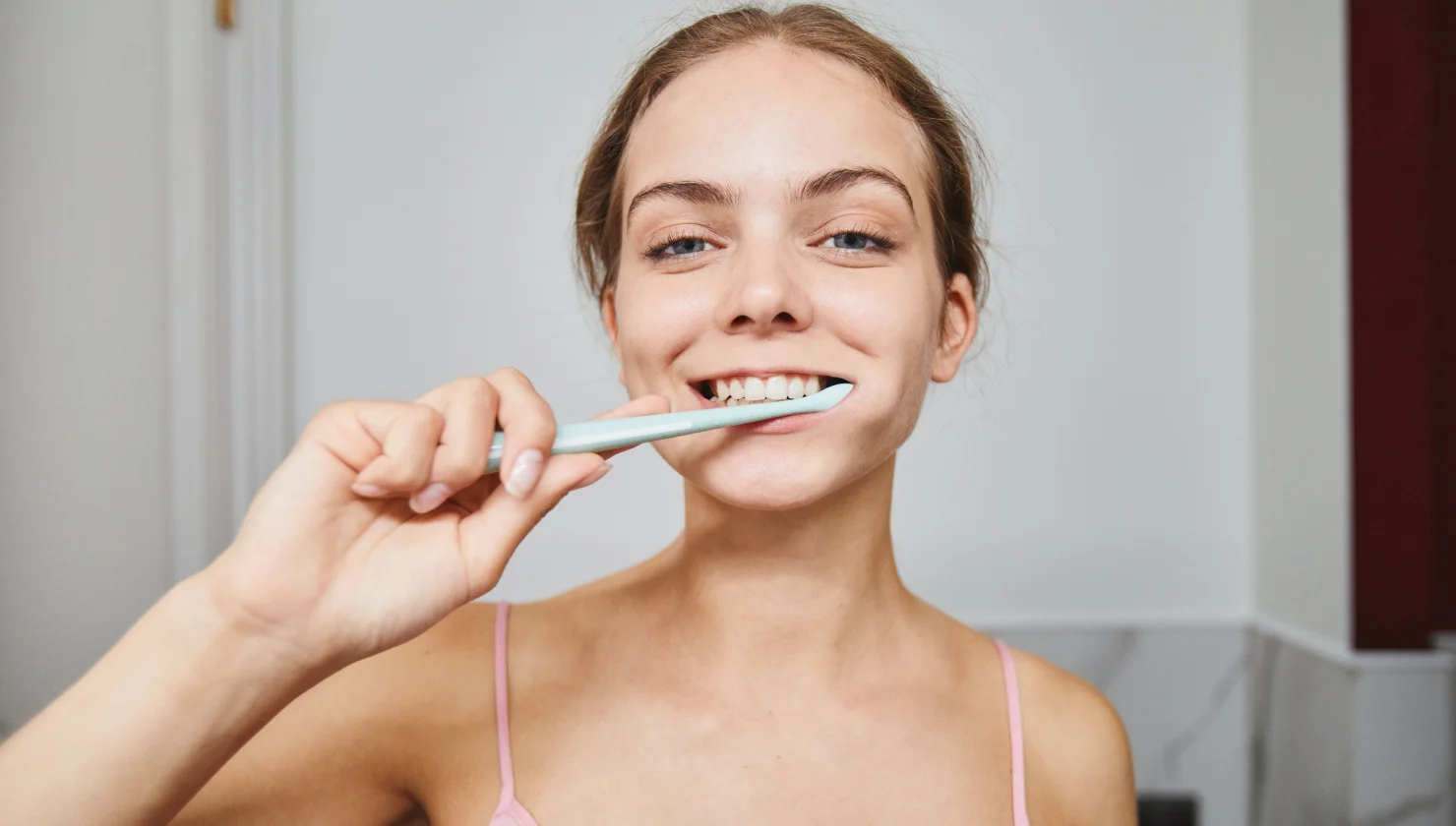
Hydrogen peroxide is often touted on social media as a cheap and miraculous teeth whitening solution. It's tempting: an accessible, inexpensive product with a promise of immediate results.
However, the biological reality is quite different. While hydrogen peroxide is indeed a whitening agent, its "at-home" use without prior analysis of your enamel can turn into a nightmare: gum burns, chronic hypersensitivity, and irreversible tooth transparency.
⚠️ What would be the best solution for me?
Do you want to know if you are eligible for professional whitening or if another solution (such as veneers) would be more aesthetically pleasing for you?
⚠️ Did you know? Not all tooth enamel reacts the same way to whitening agents. What works for your neighbor could damage your teeth's protective barrier. 👉 Before trying anything, take this 30-second test to find out your dental profile: Click on "Take my smile assessment"
Hydrogen peroxide on teeth: the most common myths
Grandma's remedies for a smile abound on the internet. But "natural" doesn't mean "safe." Arsenic is natural, and yet… Here's why "homemade" solutions are often misguided:
Lemon and salt: This is the most dangerous combination. The acidity of lemon demineralizes the enamel (making it porous), and the salt scratches it. The result? Your teeth appear whiter at first because you've "sanded" the surface layer, but they'll yellow twice as fast afterward because the enamel is thinned.
Baking soda: Useful for polishing superficial coffee stains, but ineffective on the actual tooth color. Daily use is too abrasive.
Pure hydrogen peroxide: Applied with a cotton swab or as a mouthwash, it is uncontrollable. Without the protective barriers used by a dentist, the liquid attacks your gums and can cause necrosis of the interdental papillae.
Why take the risk? Today, there are medical protocols calibrated to the millimeter.
⚠️ Discover which medical solution is right for your sensitivity
Do you want to know if you are eligible for professional whitening or if another solution (such as veneers) would be more aesthetically pleasing for you?

What science really says about hydrogen peroxide
Let's be clear: hydrogen peroxide (the scientific name for oxygenated water) EAST The active ingredient used by dentists. Science validates its effectiveness. It works by oxidation: it penetrates the enamel prisms to break down the colored molecules.
But there is a major difference between the "homemade" product and the office product: Dosage and Time.
Unsupervised use entails three major risks:
If the product penetrates the nerve (the pulp) too quickly, the pain is immediate and can last for weeks. This happens if your teeth have micro-fissures invisible to the naked eye.
By burning the gum, it recedes, revealing the naturally yellow root of the tooth. You wanted a white smile, you end up with two-toned teeth.
At high doses or frequencies, enamel erodes.
How can you tell if your teeth can withstand whitening?
It's impossible to guess on your own in front of a mirror. That's why we've set up an online pre-diagnostic tool.
Safe alternatives for a whiter and longer-lasting smile
If your goal is to achieve a visible, lasting, and above all on, Forget about experimenting with chemistry in your bathroom. Here are the only medically validated methods:
1. Professional whitening (In the office)
This is the gold standard. We use high-concentration hydrogen peroxide gels, but Your gums are protected. by a light-cured barrier. In addition, we often activate the product with a specific LED lamp to accelerate the process without heating the tooth.
Result : Immediate and consistent.
Security : Total.
2. Whitening toothpastes (For maintenance)
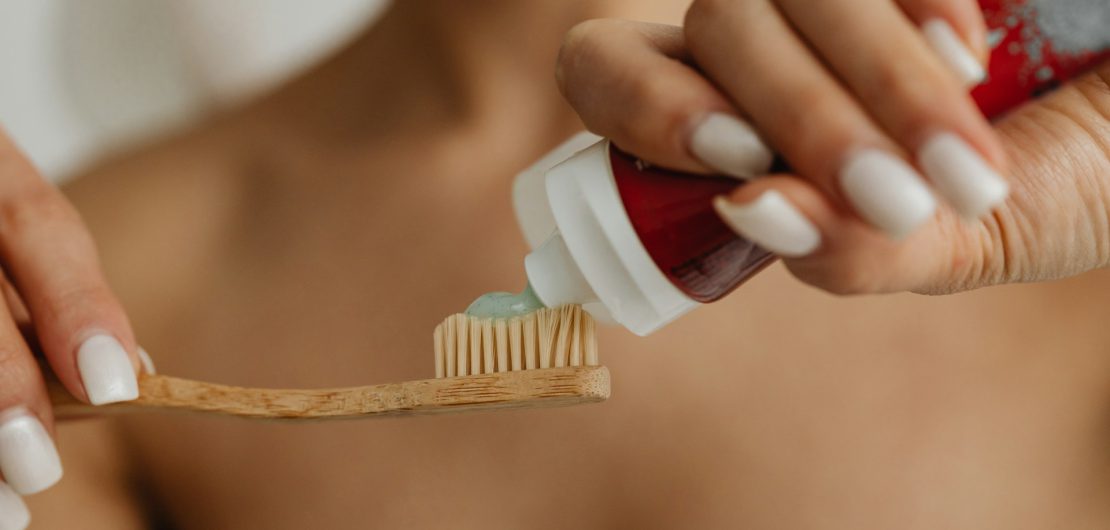
They will not change the shade of your tooth, but they help maintain the result of professional whitening by preventing new pigments (coffee, tea) from adhering.
3. Impeccable hygiene
Regular scaling is essential. Sometimes, a simple air polishing at the dentist's office is enough to achieve a whiter smile by removing the dull film.
Conclusion: Don't play at being amateur chemists
Hydrogen peroxide is a great tool when in the hands of an expert, but a danger to your enamel when it is not dosed correctly.
Your smile is unique. It deserves a tailor-made strategy, not a recipe found on a forum.
⚠️ What would be the best solution for me?
Do you want to know if you are eligible for professional whitening or if another solution (such as veneers) would be more aesthetically pleasing for you?
Make an appointment
It's easy and free!


 French
  English

Comments
adamgordon
Thanks for sharing this post, it's really helpful for me.
cmsmasters
Glad to be of service.
annabrown
This is awesome!!
cmsmasters
Thanks.