
Discover in this article the risks and possible complications associated with dental surgery

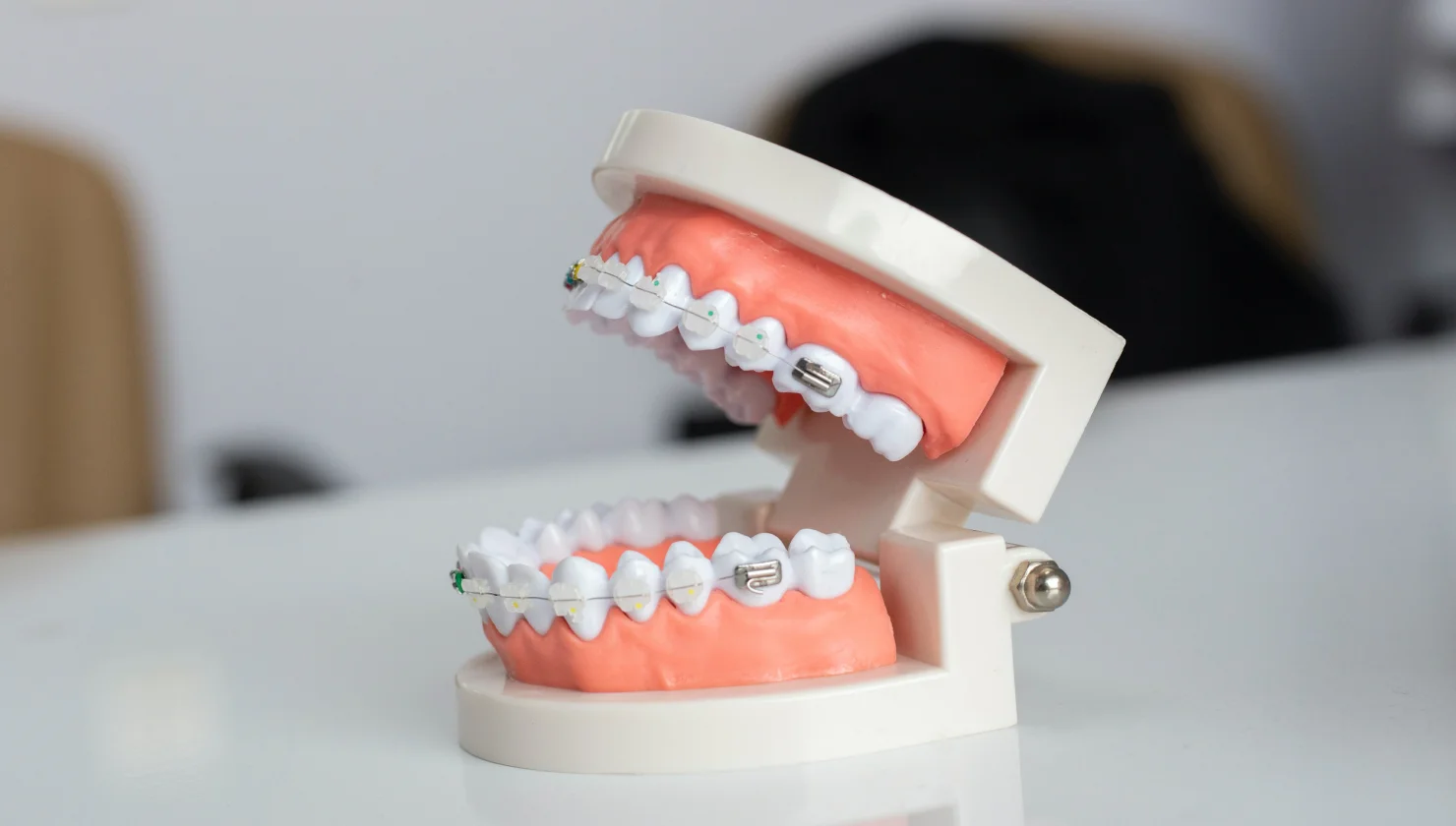
The word "surgery" is frightening. Whether it's placing an implant, extracting a wisdom tooth or performing a gum graft, the imagination quickly runs wild: "What if the dentist hits a nerve?", "What if I get an infection?".
It's normal to feel apprehensive. However, modern, computer-assisted dental surgery is nothing like it was 20 years ago. Most complications are now predictable and avoidable thanks to a thorough pre-operative assessment.
🛑 Are you a "high-risk" patient?
Diabetes, smoking, taking anticoagulants… Certain factors increase the risk of complications. Don't proceed blindly.
Post-operative infection (The classic type)
This is the most feared complication, but also the easiest to prevent. The mouth is a breeding ground for bacteria. After a procedure, an infection can occur if the area is not kept clean.
The signs: Pain that flares up after 3 days, hot swelling, bad taste.
The modern parade: We prescribe targeted antibiotics. Before the intervention (antibiotic prophylaxis) for complex cases and we often use the Laser to sterilize the surgical site instantly
Nerve damage (The great fear)
«"Will my lip be paralyzed?" This is the question everyone asks before wisdom tooth extraction or mandibular implant placement. The inferior alveolar nerve runs through the lower jaw. If it is affected, a loss of sensation (paresthesia) can occur.
Why this was a risk before: We were operating with 2D (panoramic) radios which flattened the perspectives.
Why this is no longer an issue today: Thanks to 3D Scanner (Cone Beam), We visualize the nerve's path with millimeter precision. We plan the surgery on a computer to operate from a safe distance. The risk becomes virtually zero.
🛑 Are you a "high-risk" patient?
Diabetes, smoking, taking anticoagulants… Certain factors increase the risk of complications. Don't proceed blindly.
Alveolitis (Dry pain)
This is a common complication after an extraction (especially in smokers). The blood clot that should form in the tooth socket either doesn't hold or dissolves too quickly. The bone is left exposed.
Pain: Vivid, radiating towards the ear.
The solution: An eugenol dressing applied in the office provides instant relief.
The advice: Do not spit or smoke for 48 hours after an extraction!
Implant failure (Rejection?)
We often talk about "rejection," but the term is incorrect. Titanium is biocompatible. It's more a question of... non-osseointegration The bone does not grip the implant tightly enough. This mainly occurs in heavy smokers or patients with poor hygiene.
The success rate: It exceeds 95% in modern offices.
Security: If an implant does not take, it is removed, we wait, and we start again (often without additional charges).
Is your bone volume sufficient? For an implant to hold, it needs "earth" (bone). If there isn't enough, the risk of failure increases.
Conclusion: Preparation is the key to success
Complications in dental surgery do exist, but they are rare and often minor (hematoma, slight swelling). Serious complications (nerve damage, deep infections) are almost always linked to a lack of planning or failure to follow post-operative instructions.
Don't let fear prevent you from getting treatment. An unreplaced tooth or a chronic infection is far more dangerous to your overall health than a minor, well-managed procedure.
Are you about to undergo a procedure and want to be sure that everything is in order? Our pre-operative analysis tool checks your medical history and local situation to reassure you.
Make an appointment
It's easy and free!




 French
  English